

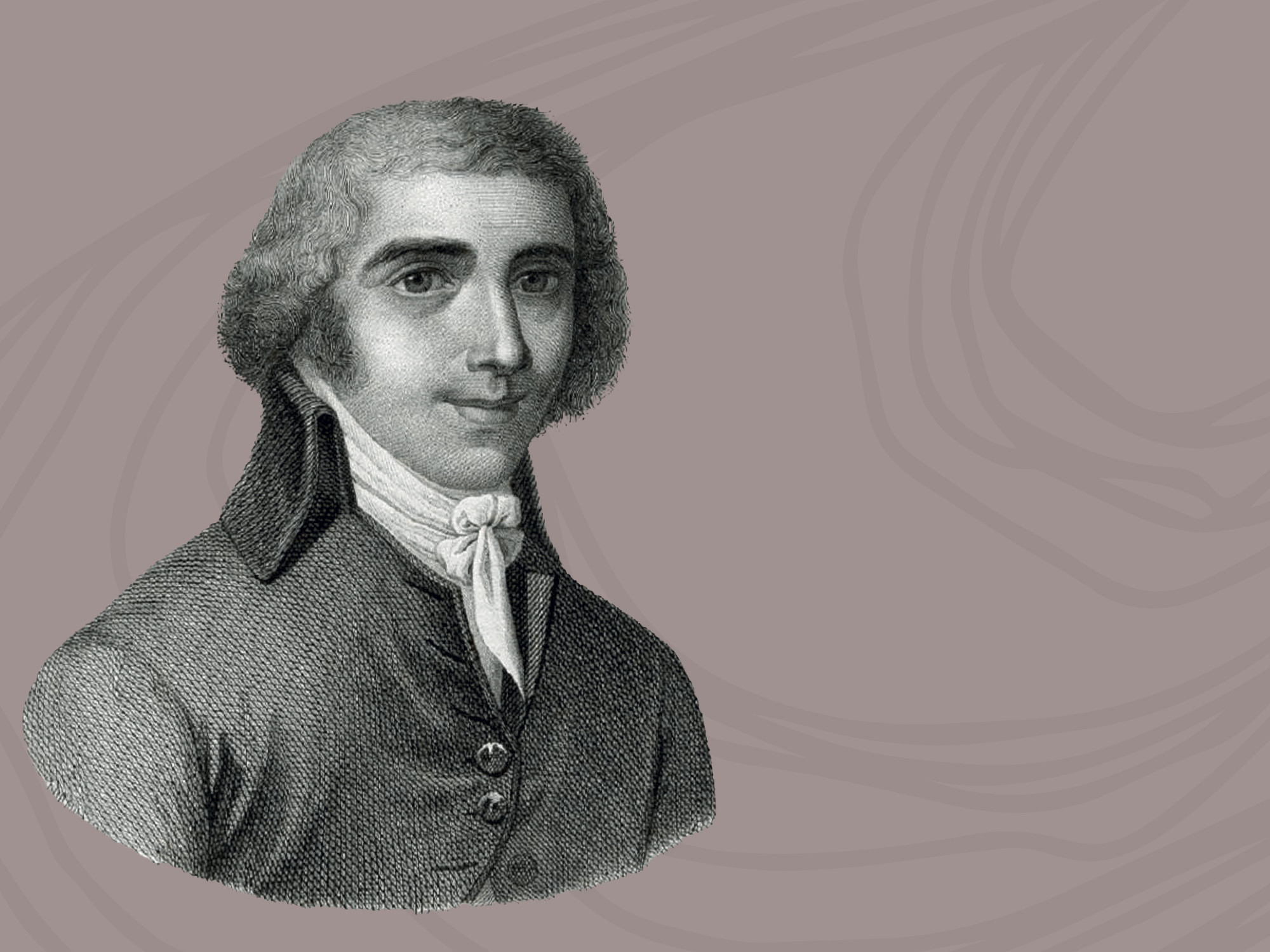
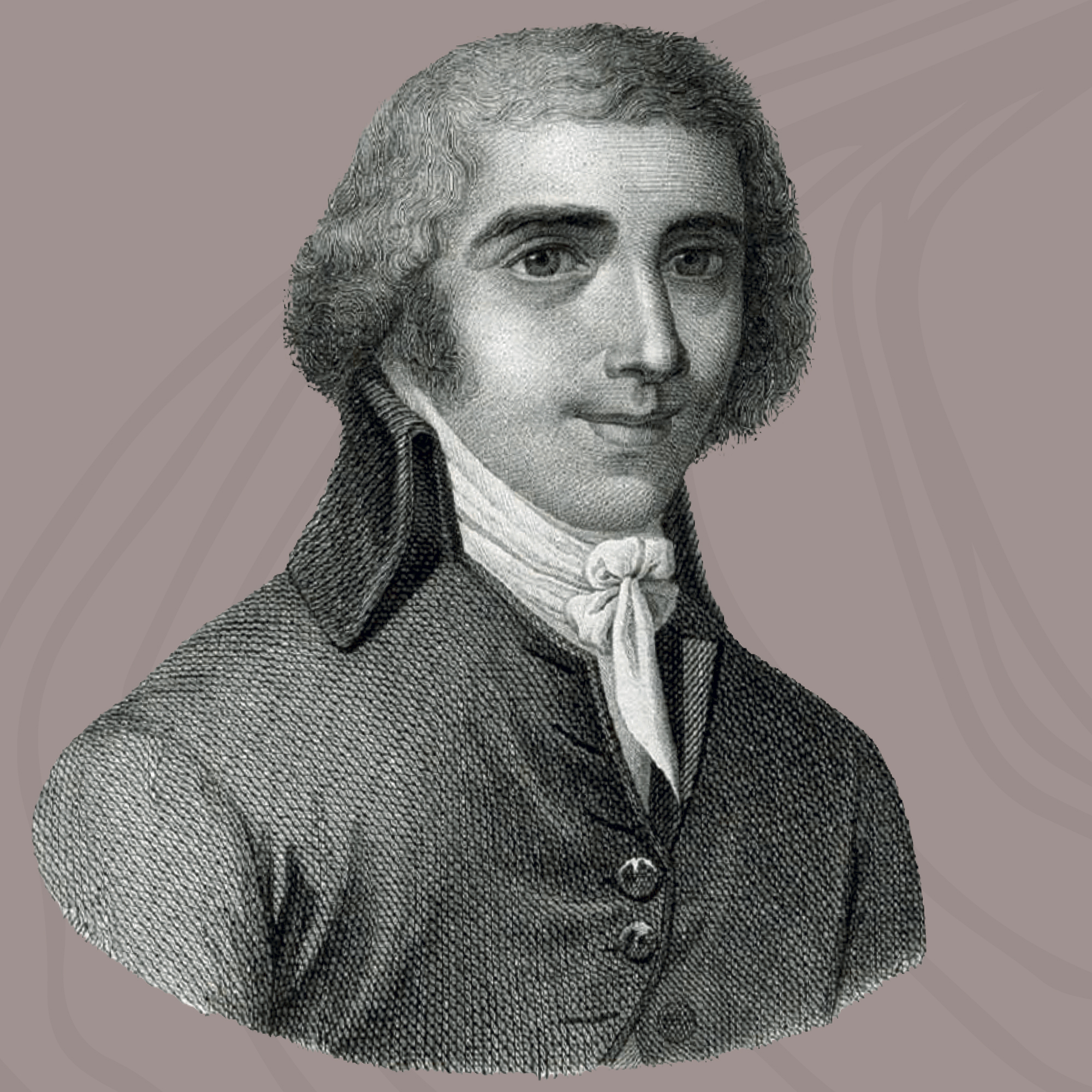
Between Lamarck and Darwin. Giambattista Brocchi (1772–1826) and the history of the Earth
Saturday, 17 October 2026 at Villa Rezzonico, 200 years after the death of Giambattista Brocchi, Bassano del Grappa celebrates its illustrious naturalist with a day of studies dedicated entirely to his scientific work and his original vision of nature and the history of the Earth.Considered one of the founders of modern paleontology, a precursor of evolutionary biology and one of the greatest glories of Italian geology, Brocchi was at the forefront of the European scientific debate of the early nineteenth century. His reflections on the history of species, together with Lamarck's transformist vision, contributed to the scientific context in which Darwin's reflections matured during the voyage of the Beagle.
The event brings together scholars and researchers from universities, museums and Italian scientific institutions to delve into different aspects of the Bassano-born naturalist's activity: from geology to paleontology, from botany to the history of science, up to the study of his collections, his papers and his manuscripts.
The event, curated by Giuseppe Busnardo, Stefano Dominici and Alessandro Minelli, will take place on Saturday 17 October 2026 from 9:15 am at Villa Rezzonico, in via Ca’ Rezzonico 68/72, Bassano del Grappa (VI).
Admission is free, booking is recommended, while seats are available.
For information and reservations:
→ villacarezzonico@gmail.com
→ + 39 320 161 2543
Promoted and organized by the Municipality and Musei Civici of Bassano del Grappa, Villa Rezzonico and the Committee for the history of the city of Bassano del Grappa
Under the patronage of Accademia Olimpica di Vicenza, ANMS - Associazione Nazionale Musei Scientifici, Ateneo di Brescia, Società Botanica Italiana, Società Geologica Italiana, Società Italiana di Malacologia, Società Italiana di Storia della Scienza, Società Paleontologica Italiana and Unione Zoologica Italiana
THE AGENDA:
↘
9:15 - Institutional greetings
↘
9:30 - Giambattista Brocchi: the vision of nature
Moderator: Alessandro Minelli, University of Padua
Speakers:
Ezio Vaccari, University of Insubria, Varese
The structure of the mountains in the works of Giambattista Brocchi
Guido Roghi, CNR - National Research Council of Italy
Giambattista Brocchi and the mineralogical memory of the Val di Fassa (1811): a universal crystallization
Stefano Dominici, University of Florence
From the Mediterranean to the Red Sea: distribution and history of the species according to Brocchi
↘
12:30 - Conclusion
↘
14:30 - Giambattista Brocchi: documents, papers, collections
Moderator: Elena Canadelli, University of Padua
Speakers:
Mariacristina Villani, Rossella Marcucci, University of Padua
The footprint of Giambattista Brocchi in the herbarium of the Botanical Garden of Padua
Andrea Tagliapietra
Giambattista Brocchi and the Botanical Garden of Brescia: 1801–1808
Paolo Mietto, University of Padua
The Brocchi Parolini geopaleontological and mineralogical collection of the Civic Museum of Bassano del Grappa
Moreno Clementi, University of Padua
Notes on the collections of Acerbi and Brocchi in the herbaria of Pisa and Geneva
Stefano Dominici, University of Florence, and Fabio Franceschi, Natural History Museum of Milan
The types of Sub-Apennine Fossil Conchology (1814) preserved at the Natural History Museum of Milan
Gianluca Nicolella, Agnese Tilia, Sapienza University of Rome
The traces of Giambattista Brocchi in the herbarium of Rome
Giuseppe Busnardo
Finding an order, considerations on the descriptive and systematic botany notes in the manuscript collection of the Civic Library of Bassano del Grappa
Stefano Pagliantini, Civic Library of Bassano del Grappa
In Brocchi's forge: letters, studies and sketches. An exploration of the epistolary and manuscript collection preserved in the Civic Library of Bassano del Grappa
Francesco Berti, University of Padua
Unpublished sources for the Journal of observations made on trips to Egypt, Syria and Nubia by Giambattista Brocchi
↘
18:00 - Conclusion
